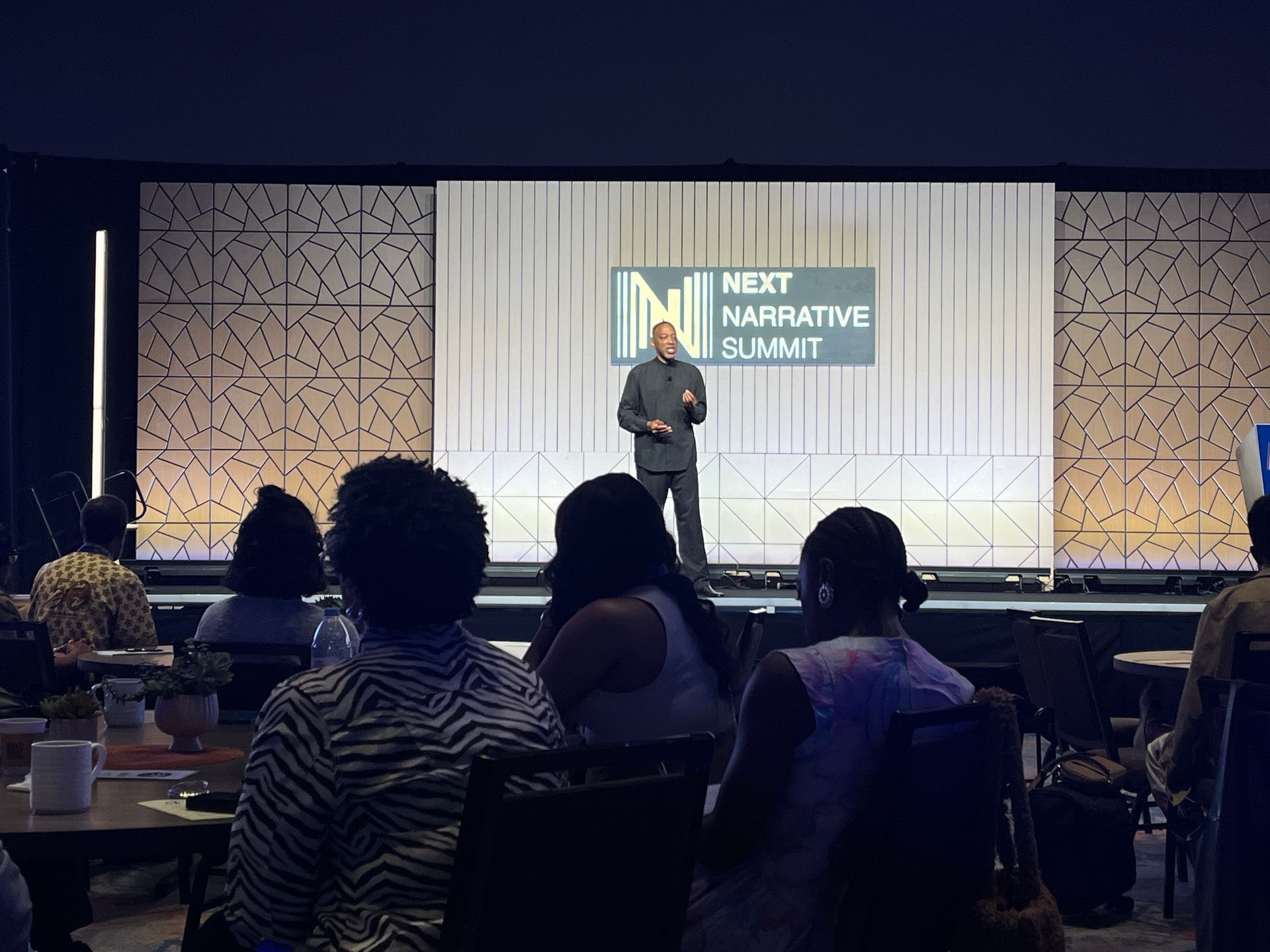
I was recently invited to attend the 2026 Next Narrative Summit in Florida, where conversations ranged from narrative change and foresight to culture, organizing, AI, and the role of philanthropy in this moment. I came home with pages of notes, but four key ideas have stayed with me, particularly as I think about the leaders and organizations we work with at Kairos who are trying to navigate a lot of uncertainty while still moving their missions forward. 1. Yes, it’s chaotic and uncertain right now, but get out of constant response mode. One of my biggest takeaways was the need to focus more on foresight . Nonprofits are operating in an environment where something new seems to demand our attention every day. The temptation is to keep responding to the latest policy change, headline, or crisis. But constantly reacting to chaos keeps us focused on what's happening to us, not what may be coming next. A useful set of questions from the summit: What's really going on? What's probably coming? What's possible? What could we do? Foresight is about recognizing the forces shaping what's next and deciding what they require of us now. We can’t predict the future, but we should be scanning the landscape to prepare for it. 2. Spend more time building your narrative than defending it. There will always be misinformation, harmful framing, and narratives we need to challenge. But defense shouldn't consume most of our energy. Instead of continually asking, "How do we respond to this?" we should also be asking: "Who can we move? Who can we mobilize? What do we want them to believe is possible?" That requires knowing the false dominant narratives we're up against, without letting them set our agenda. 3. Culture is part of the strategy. One of the summit's provocations was that culture, not capital, drives change. For philanthropy, especially, that's worth considering. Funding matters enormously. But lasting social change also depends on what people believe, who they trust, what they consider possible and what eventually becomes culturally accepted. That means the communications team doesn't work on narrative after the strategy is developed. Narrative is a critical part of the strategy. 4. Build community before you need it. This may be the simplest takeaway and perhaps the most important: relationships are infrastructure. When familiar patterns disappear, and people don't know what to believe, they look to people they trust to help them make sense of what's happening. We can't manufacture those relationships in the middle of a crisis. Relational organizing asks us to think differently about our networks: Who trusts us? Whom do we trust? Where are relationships strong? Where do we need to invest before the next difficult moment arrives? The summit framed the answer to division and chaos as beloved community , something that requires relationships, trust, and, yes, love. It requires us to love and care about people first and foremost. For nonprofit and philanthropic leaders, that means building more than audiences, email lists, or coalitions of convenience; it means building community. Kudos to the BMe Community for putting on the Summit and inviting Kairos to participate this year. This was definitely one of the best events I've attended in the last few years with the friendliest welcome faces (if I was greeted each morning by a cheer squad, there's so much more I would be motivated to get done in my day!). For those of us working toward social change, perhaps the question right now isn’t only, “What are we up against?” It’s also, “What are we building in its place, and who are we inviting to help us build it?” The challenges in front of us are real. But so is our capacity to imagine something better, bring people together around it, and begin building it now. That work requires more than resistance. It requires relationships, courage, creativity and a willingness to make room for more people to see themselves as part of the change. So, what are you building and who else needs to be at the table?
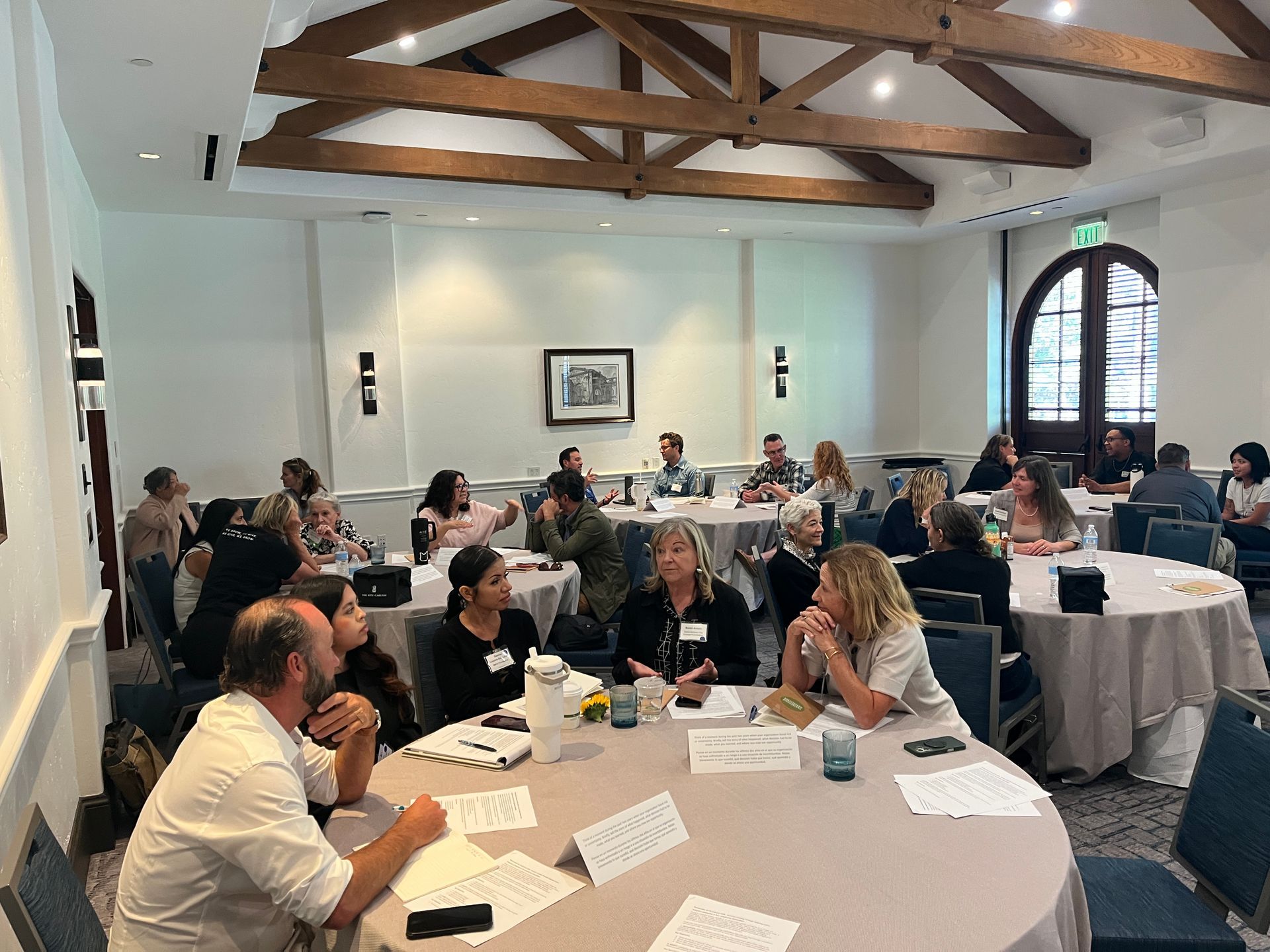
It’s hard out there right now, y’all. Nearly every nonprofit leader I know is navigating a mix of funding uncertainty, policy changes, rising costs, growing community need, workforce challenges, and general exhaustion. For many organizations, this isn’t a single crisis with a clear beginning and end. It’s one thing after another . It’s unrelenting. That was the backdrop for a conversation I recently had the honor of facilitating at the 2026 Partnership for Excellence conference , hosted by the Foundation Roundtable in Santa Barbara . I was joined by Erik Talkin, CEO of the Foodbank of Santa Barbara County , and Teresa Alvarez, Executive Director of the Carpinteria Children’s Project . Both shared candidly about what it has actually looked like to lead through multiple crises over the past two years. We grounded the conversation in story because (as you’ve heard me say before, screaming it from the rooftops) storytelling is a leadership practice for everyone . We also explored the role of adaptive leadership, particularly when the challenges in front of us can’t be solved by simply working harder or applying the same solutions we’ve used before. So how do we lead well when the crises don’t stop? At the conference, I shared a framework grounded in adaptive leadership and four capabilities I believe nonprofit leaders need right now: Anticipate. Adjust. Align. Advance. Think of these as four muscles leaders need to keep exercising at all times. ANTICIPATE: What is changing around us, and what might be coming next? When everything feels urgent, it’s easy to stay focused on what’s directly in front of us. Leadership requires lifting our heads and scanning the landscape. Pay attention to what’s changing. Challenge your assumptions. Lean into relationships. Talk with peers, funders, and partners about what they’re seeing. You don’t need to predict what happens next, but you do need to pay attention. ADAPT: What needs to change based on what we’re learning? Protecting the status quo can be one of the riskiest things we do in a changing environment. If we don’t adapt, change will eventually happen to us, and we’ll have fewer choices about how to respond (because hope is not a strategy). Adjusting doesn’t mean abandoning your mission. Sometimes it’s exactly what’s required to protect it. ALIGN: Who needs to be at the table, and what does our mission require of us right now? Crises create distractions. Mission creates clarity. So, get back to the basics: Why do we exist? Who are we here to serve? What must we protect, even if other things need to change? And don’t make those choices alone. Bring in your board. Listen to staff. Talk with partners. Center the people most impacted by your decisions. The vision for the future is not your burden alone. Leadership is only lonely if we let it be. ADVANCE: What opportunity might be emerging because of this moment? Crises disrupt old assumptions. They force decisions we’ve avoided and create opportunities to rethink how we work. Instead of only asking, “How do we get through this?” ask, “What could this moment make possible? How could this push us to innovate? What are we learning that could make us stronger? What should we change now to be better prepared for what comes next?" Reframing the moment is about building a more resilient, future-ready organization. As Erik shared during the session, “We are in a time where distraction and ‘flooding the zone’ are an intentional tactic to keep you stuck in a responsive mode and being defined by someone else’s agenda.” His advice? “Deal with the tactical whack-a-mole, but make sure there is time, money and focus left for what you know will define your work in the future.” There’s a difference between responding to a crisis and allowing the crisis to set your agenda. I closed our session with a poem from Wendell Berry, who passed away the day before our gathering. It felt like the right way to close a conversation about uncertainty, purpose, and what it means to keep moving when we can’t see exactly what comes next. No playbook exists for what is happening in today's volatile landscape. And there won't be a point anytime soon when everything settles down, and we can finally get back to “normal.” So perhaps part of the work is learning to lead differently within the uncertainty. Our communities and neighbors need organizations that can still dream, challenge the status quo, and co-create what comes next. Our future depends on it. The Peace of Wild Things by Wendell Berry When despair for the world grows in me and I wake in the night at the least sound in fear of what my life and my children’s lives may be, I go and lie down where the wood drake rests in his beauty on the water, and the great heron feeds. I come into the peace of wild things who do not tax their lives with forethought of grief. I come into the presence of still water. And I feel above me the day-blind stars waiting with their light. For a time I rest in the grace of the world, and am free.
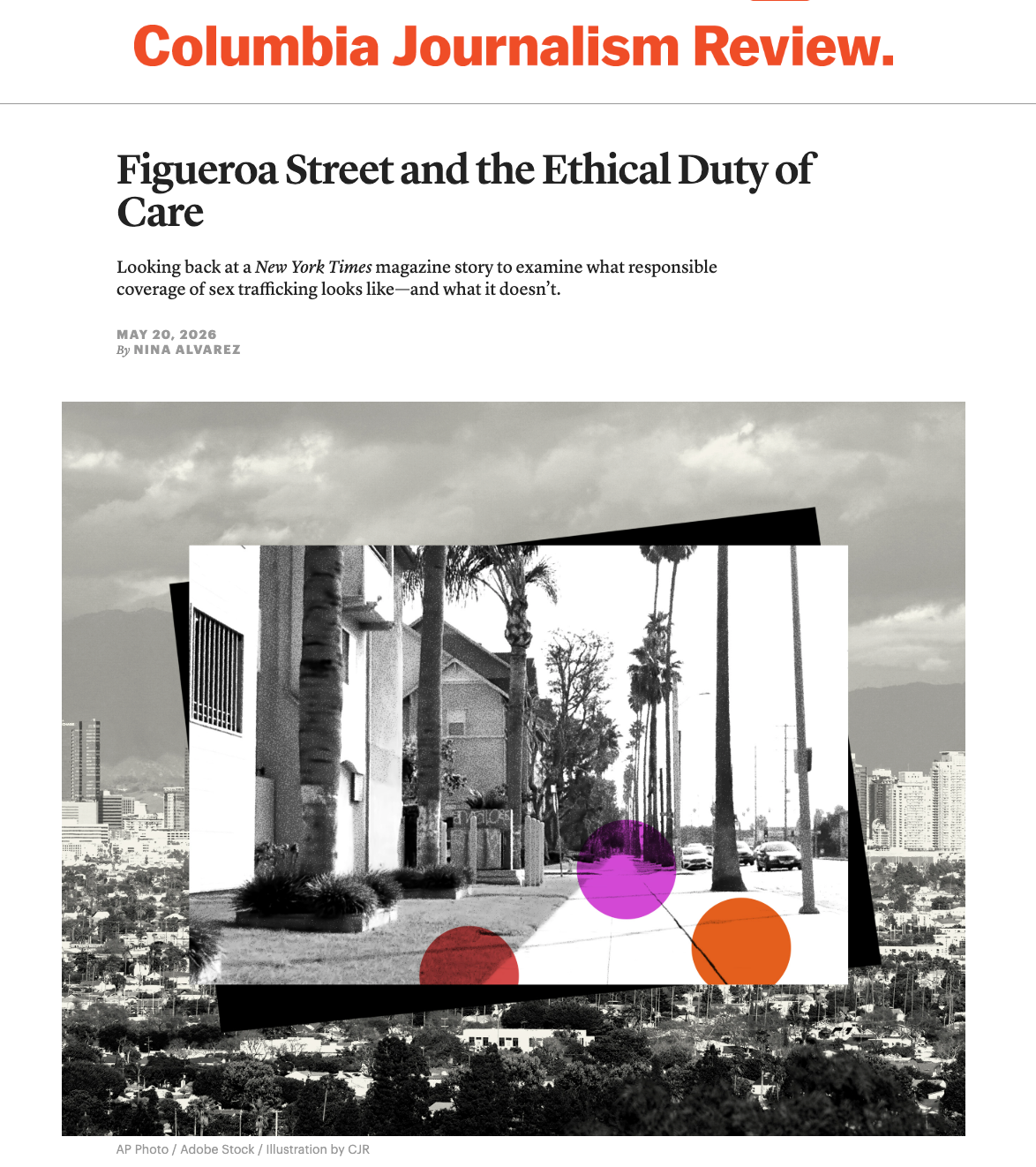
Stories shape how we understand the world. They influence what we believe is possible, who we see as worthy of empathy, and ultimately the policies, systems, and investments that follow.
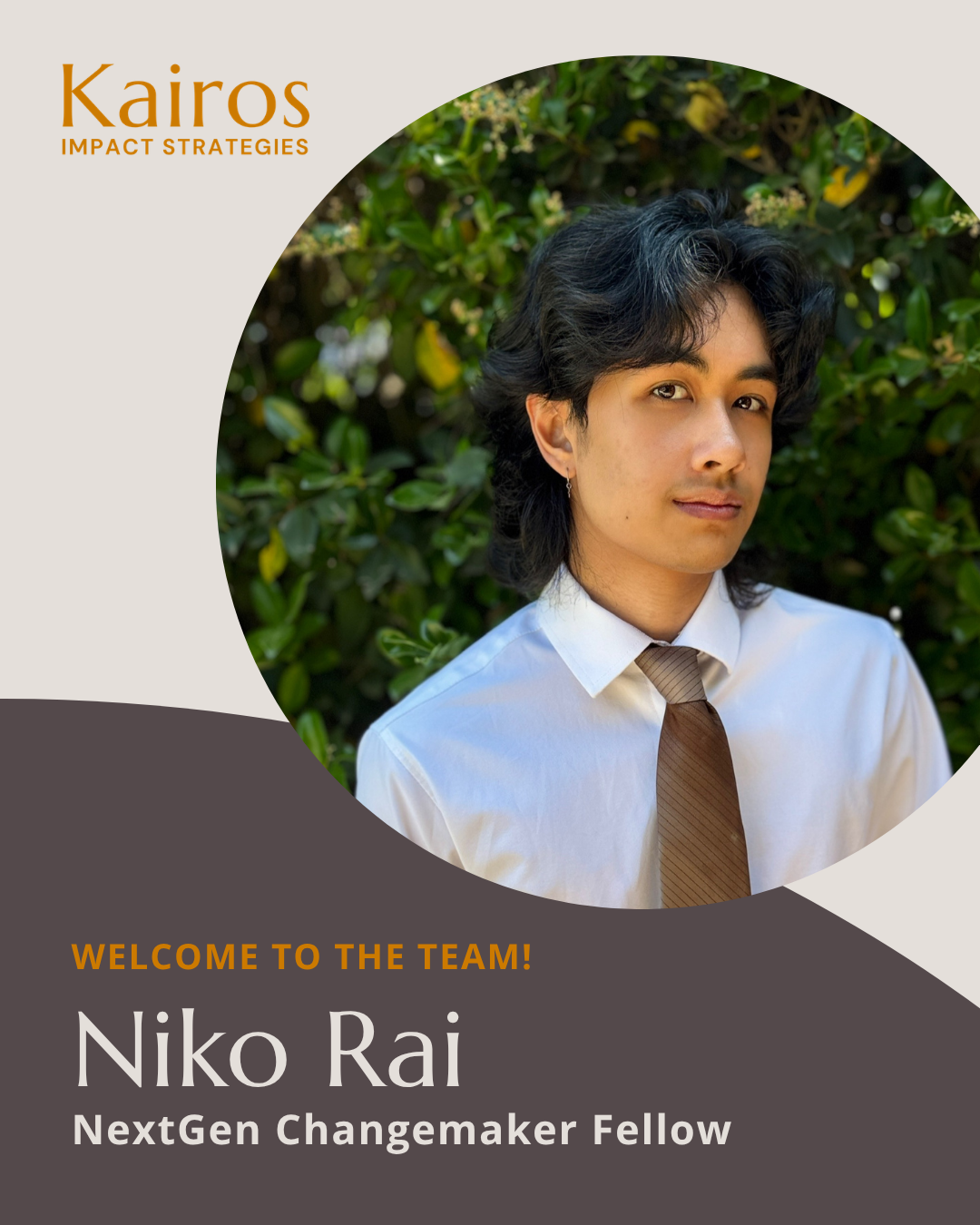
At Kairos Impact Strategies, we believe lasting community change requires investing in the next generation of leaders, advocates, and changemakers.
The Role of Philanthropy in Building Narrative Leadership for Long-Term Nonprofit Sustainability
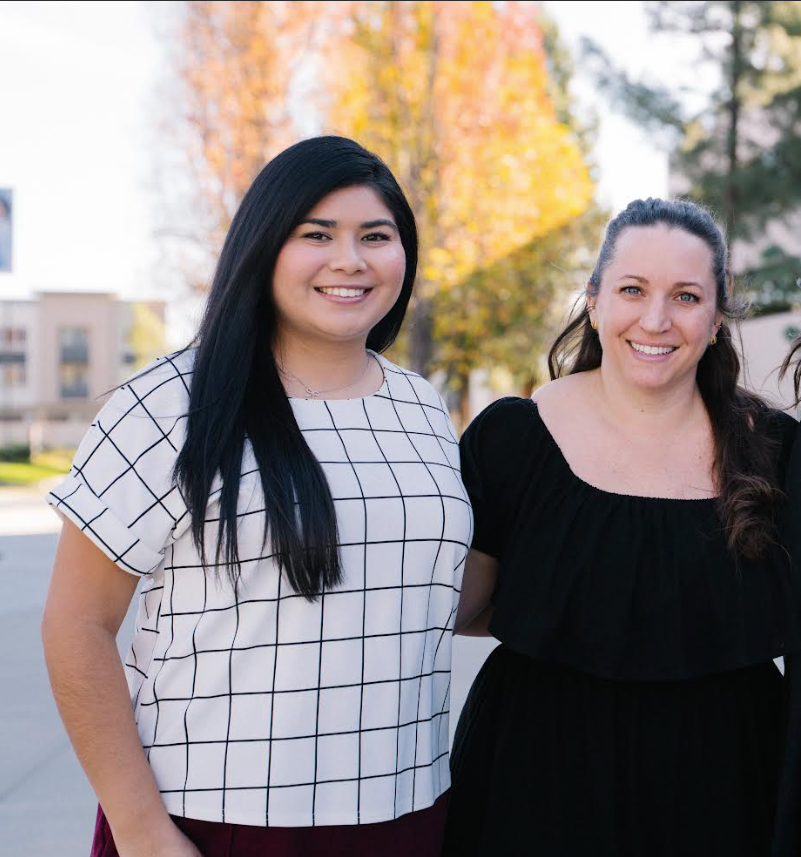
In this spotlight, we’re hearing directly from two team members who bring both depth and clarity to our work every day: Andrea Vaudrey, Director of Operations, and Grace Granados, Communications Strategist.
A strong strategic plan is a living framework. It helps your organization define what matters most, communicate priorities with confidence, and build the habits that turn strategy into action, especially in moments of uncertainty and change, as in the current landscape.

At Kairos Impact Strategies, we partner with nonprofits, foundations, and government agencies at inflection points: leadership transitions, funding shifts, policy opportunities, and sometimes even crises.

A New Case for Asset Framing: Lessons from San Diego’s Child and Family Wellbeing Transformation
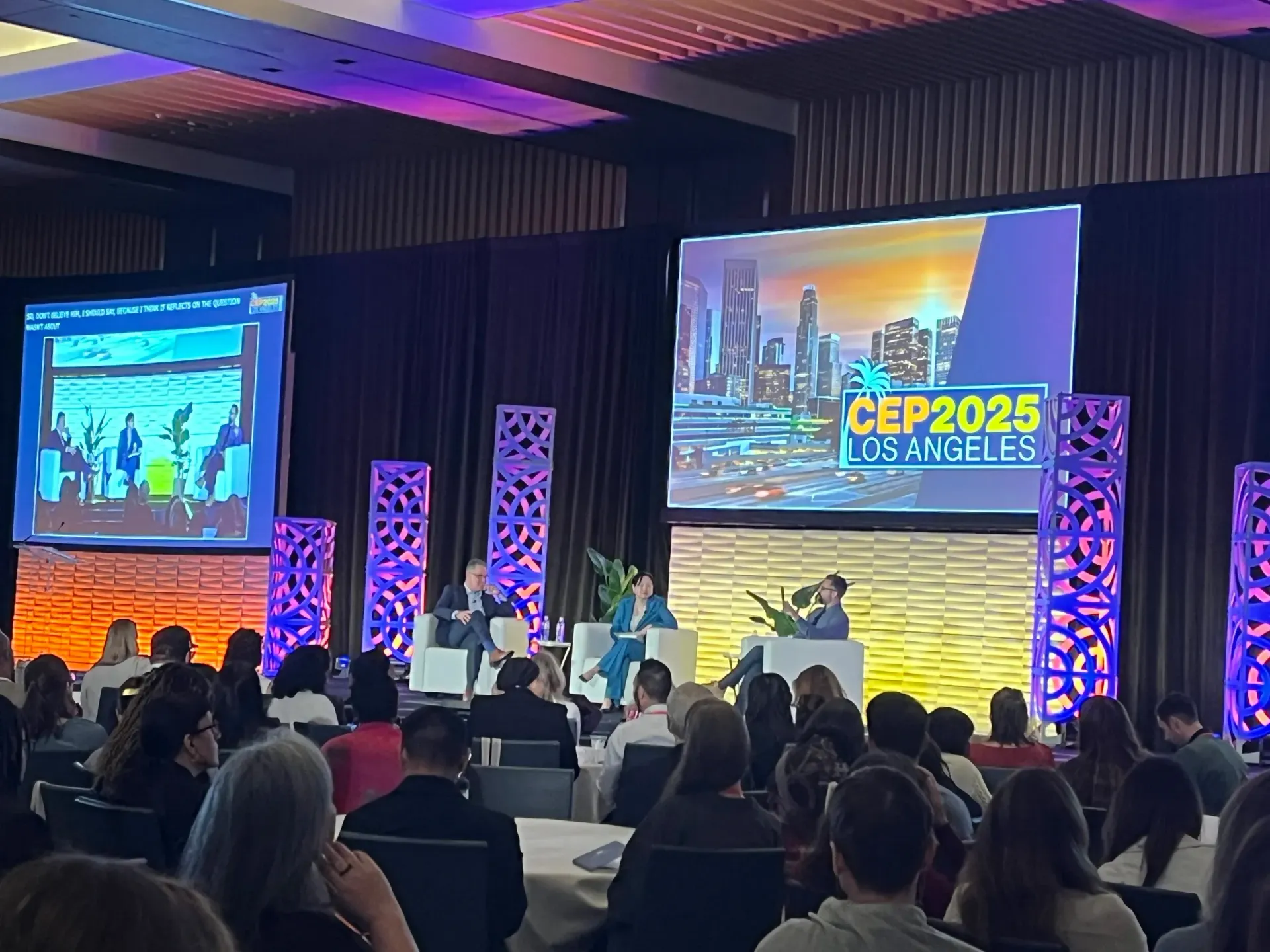
At the Center for Effective Philanthropy 2025 conference in Los Angeles
last week all roads pointed to the same truth: systems change depends on
narrative change. We recap why funders need to invest in strategic
communications, storytelling and narrative strategy, not just programs, if
they want to truly change outcomes.